solar panel photo
 
About       Information Resources       Programs       Research       Services       Solar House
Research Overview
Technical Research Projects
Technical Research Papers
NCSU Energy Associates
Policy Research Projects
Policy Research Papers
DSIRE Incentive Database

Research Facilities

Solar House

While the primary purpose of the Solar House (adjacent to the McKimmon Center on the NCSU campus) is for outreach and education, it has a research mission as well. The House currently has a data acquisition system that monitors electrical production from the photovoltaic system, electrical energy consumption, weather conditions, etc. The House has more than 200 thermocouples embedded in the walls, floors and ceilings for detailed passive solar studies. The Solar House can also be used for evaluating residential solar thermal or photovoltaic systems under “real world” conditions. Water, electrical and natural gas usage can be manipulated to simulate a typical family of four, as an example. This kind of controlled environment in such close proximity to the staff of the Solar Center and graduate students in the College of Engineering make this an ideal facility to evaluate solar domestic hot water systems, photovoltaic arrays, residential fuel cells, and other residential energy equipment.

Outdoor Research Facility (ORF)

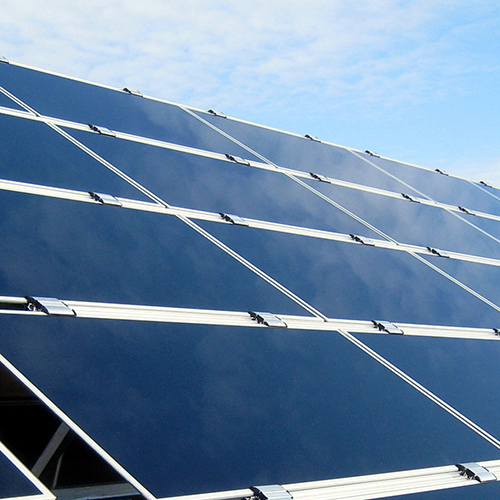
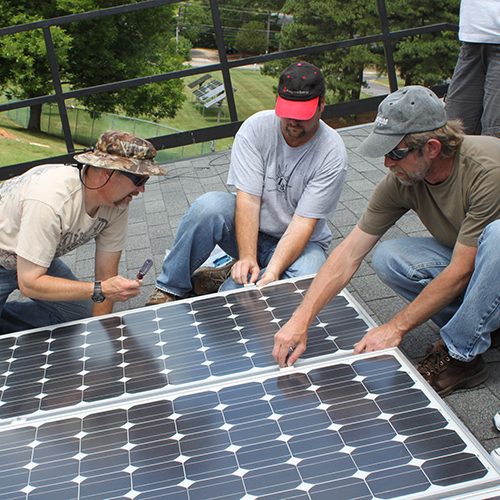
The Solar Center has a 0.75 acre protected outdoor research facility located behind the Solar House on the NCSU campus. The facility has an enclosed control room and associated remote data acquisition system for our solar collector test rack. This facility is typically used to test prototype solar thermal or photovoltaic systems. It was recently used to evaluate an early prototype of Duke Solar’s Power Roof™ technology. It was also used to evaluate the photovoltaic/thermal building integrated roofing systems used on Applebee’s restaurant in Salisbury, NC and Central Carolina Bank in Bessemer City, NC.

Alternative Fuel Vehicle (AFV) Garage

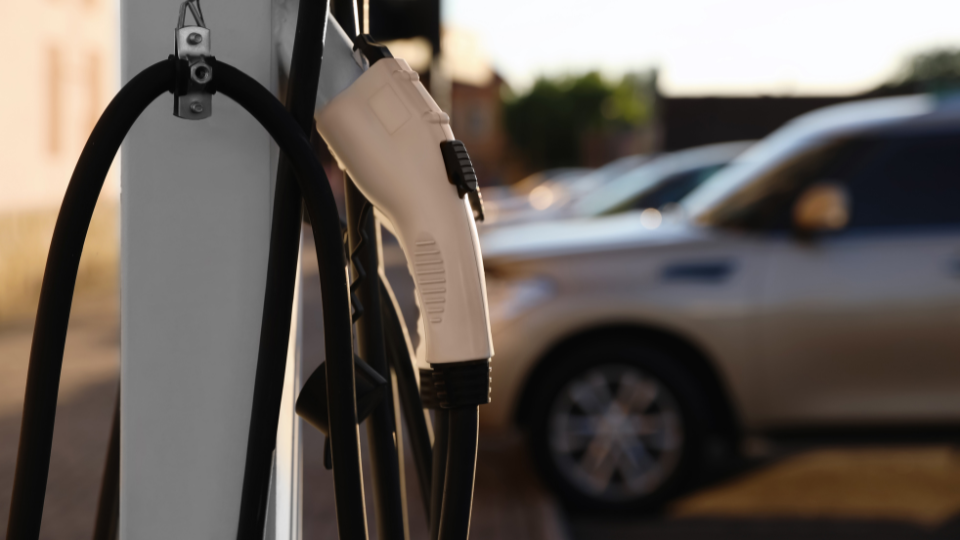
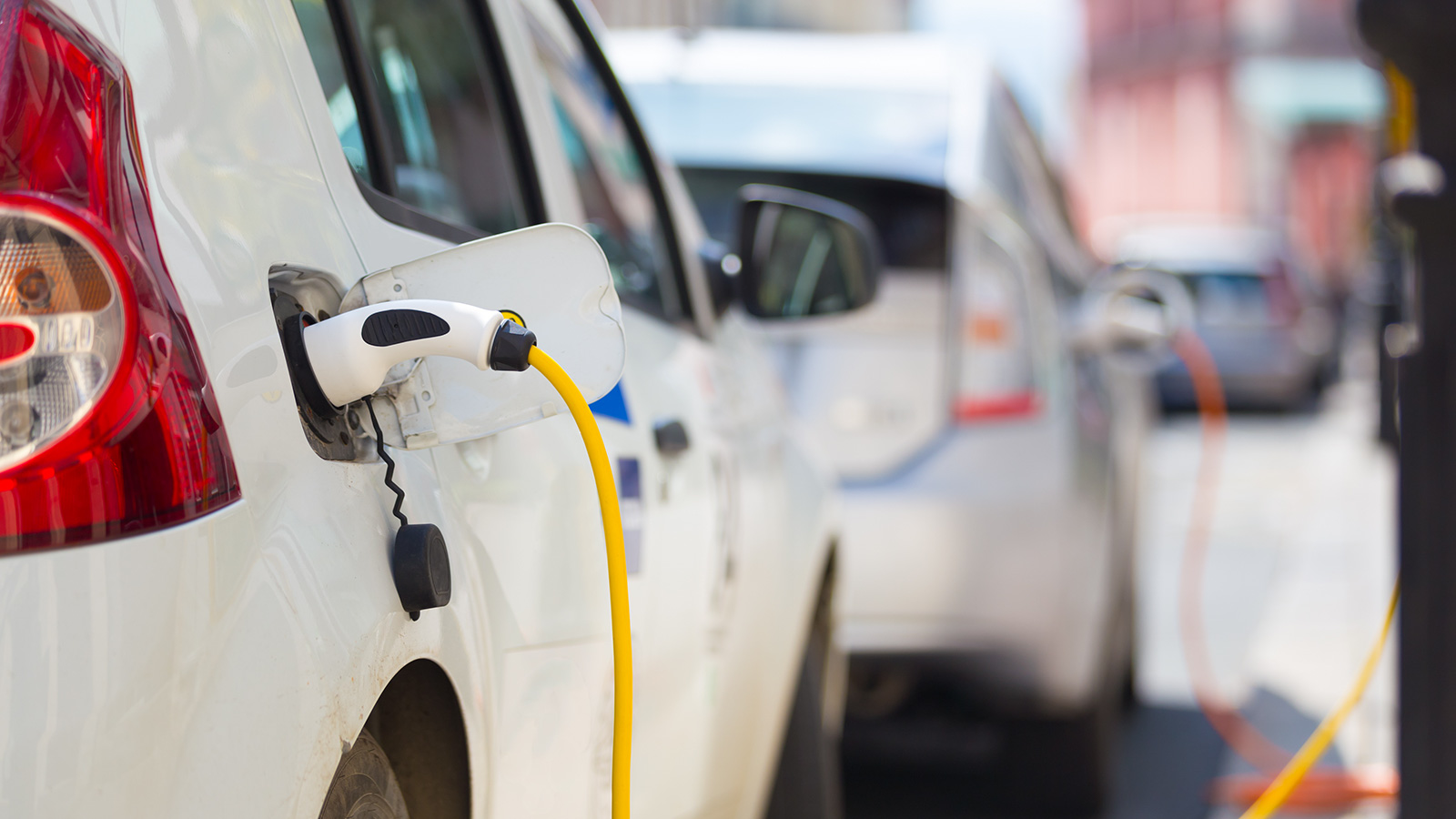
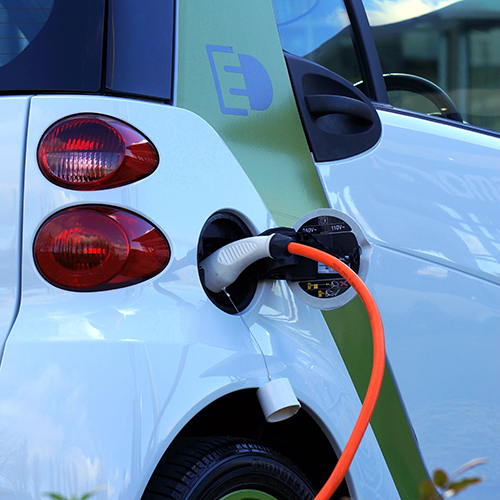
In 2003, the Solar Center will begin construction of its Alternative Fuel Vehicle (AFV) Garage. The primary purpose of the AFV garage will be to demonstrate the production and use of alternative fuels and alternative fuel vehicles. Photovoltaic panels on the roof will provide a portion of the electrical energy required to charge the batteries of electric vehicles located at the garage. This facility will be available to Solar Center staff and students for the evaluation of alternative fuel vehicles.

Equipment and Instrumentation

The Solar Center owns or has access to a wide variety of equipment and instrumentation used in evaluating and analyzing renewable energy systems. These research tools include:

  • Campbell Scientific data acquisition systems including sensors for monitoring pressure, temperature, wind speed, solar irradiation, air flow, etc.
  • A wide array of Ohio Semitronics transducers and Fluke handheld meters for measuring voltage, current, power, power factors, etc
  • Eppley PSP and 8-48 pyranometers, Eppley NIP pyrheliometers and Licor silicon-based pyranometers for complete solar irradiation evaluation
  • NRG Wind Explorer 20m and NRG NOW 50m anemometer towers and data acquisition systems for residential and utility scale wind energy assessment
  • Air Monitor Corporation Fan-E pitot tube-based total air flow stations for accurately measuring air flow in ductwork associated with HVAC systems such as the Conserval Solar Wall®.
  • Onset Computer Corporation self-contained data acquisition systems with Palm Pilot-based data collection capability for measuring temperature, relative humidity, electrical signals, etc in situations where quick deployment of measurement capabilities is desired
  • ABB F12 Thermal Energy Meters for measuring thermal energy produced by renewable energy systems such as solar domestic hot water heating systems.
  • American Meter gas meters for monitoring use of conventional or renewable sources of gaseous fuels, including natural gas, methane, propane, landfill gas, anaerobic digester gas, etc.

Software-Based Analytical Tools

  • TRNSYS Version 15: transient system simulation software that is well suited for analyzing renewable energy and distributed generation systems. Includes plug-in modules for specific components such as solar collectors, PV panels, fuel cells, etc.
  • Solar Design Studio Suite: includes PV Design Pro and Solar Pro. These software tools are used to design and analyze photovoltaic and solar thermal energy systems. This is specialized software for a quick and efficient analysis of the above-mentioned systems.
  • F-Chart: a detailed software tool for analyzing solar thermal systems such as pool heaters, trombe walls, domestic hot water systems and space heating systems. One key feature is that it will calculate the solar fraction, ie. the fraction of the overall energy use that will be supplied by the solar system.
  • Energy-10: an award-winning software tool for designing low-energy buildings. Energy-10 integrates daylighting, passive solar heating, and low-energy cooling strategies with energy-efficient shell design and mechanical equipment.
© 2008 The NC Solar Center is operated by the College of Engineering at NC State University.